
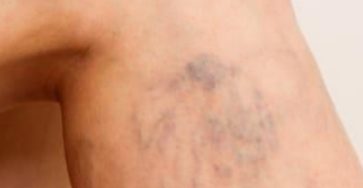
Noticing thin, purple, blue, or red veins appearing on your legs is a very common experience, particularly as we age. While these visible vessels, often referred to as spider veins, are frequently dismissed as a mere cosmetic concern, they can sometimes offer important clues about your underlying blood circulation. Unlike larger, bulging varicose veins, spider veins typically remain flat against the skin and are most commonly found on the thighs, calves, ankles, or behind the knees. Understanding why they develop and recognizing when they might indicate a more serious condition is a vital step in protecting your long term vascular health.
The development of these visible veins is rarely due to a single factor. Instead, it is usually a combination of natural and lifestyle influences. As we grow older, the walls of our veins naturally lose some of their elasticity and weaken. Genetics also play a significant role, meaning individuals with a family history of spider veins are at a higher risk of developing them. Furthermore, hormonal fluctuations during pregnancy, menopause, or as a result of certain medications can increase susceptibility. Daily habits are equally impactful. Prolonged periods of sitting or standing can cause blood circulation to slow down, leading to a buildup of pressure in the leg veins. This strain is often compounded by a sedentary lifestyle or carrying excess weight.
For many individuals, spider veins are entirely painless and
…For many individuals, spider veins are entirely painless and present no physical discomfort. However, some people may experience subtle but noticeable symptoms as the condition progresses. These can include a mild aching or heaviness in the legs, a burning or throbbing sensation, or localized itching near the affected veins. You might also notice slight swelling around the ankles or a pronounced sense of leg fatigue, particularly after standing for extended periods. While these sensations are often mild, they can become more pronounced over time.
Although spider veins are generally harmless on their own, they can occasionally be an early indicator of chronic venous insufficiency. This is a condition where the veins struggle to pump blood back to the heart efficiently. It is important to be vigilant for warning signs that suggest a more significant circulation issue. These red flags include persistent leg swelling, pain that steadily worsens throughout the day, noticeable skin discoloration around the ankles, or skin that becomes thickened and hardened. The presence of slow healing sores or ulcers on the legs is another critical sign that warrants an immediate medical evaluation to rule out underlying vascular disease.
While it may not be possible to completely prevent spider veins, especially if genetics are a factor, adopting certain healthy habits can significantly reduce your risk and alleviate symptoms. Staying physically active through regular walking or exercise promotes healthy blood flow. It is equally important to avoid remaining in a single sitting or standing position for too long. Maintaining a healthy weight reduces unnecessary strain on your vascular system, and elevating your legs while resting can help relieve pressure. Additionally, following a balanced diet rich in fruits, vegetables, and fiber supports overall circulatory health. If recommended by a healthcare professional, wearing compression stockings can also provide valuable support to your leg veins.
For those who are bothered by the appearance of spider veins or who experience uncomfortable symptoms, several effective medical treatments are available. A vascular specialist can evaluate your specific condition and recommend the most appropriate intervention. Common procedures include sclerotherapy, which involves injecting a solution to close the vein, as well as laser therapy, radiofrequency treatments, and vein ablation procedures. These modern techniques are designed to safely minimize the appearance of the veins and improve circulation.
In conclusion, purple veins on the legs are an extremely common occurrence and are often completely harmless. However, they should never be ignored if they are accompanied by pain, swelling, skin changes, or other indicators of poor circulation. By paying close attention to these signs and seeking professional medical advice when necessary, you can identify potential vascular issues early and take proactive steps to support better overall leg health