
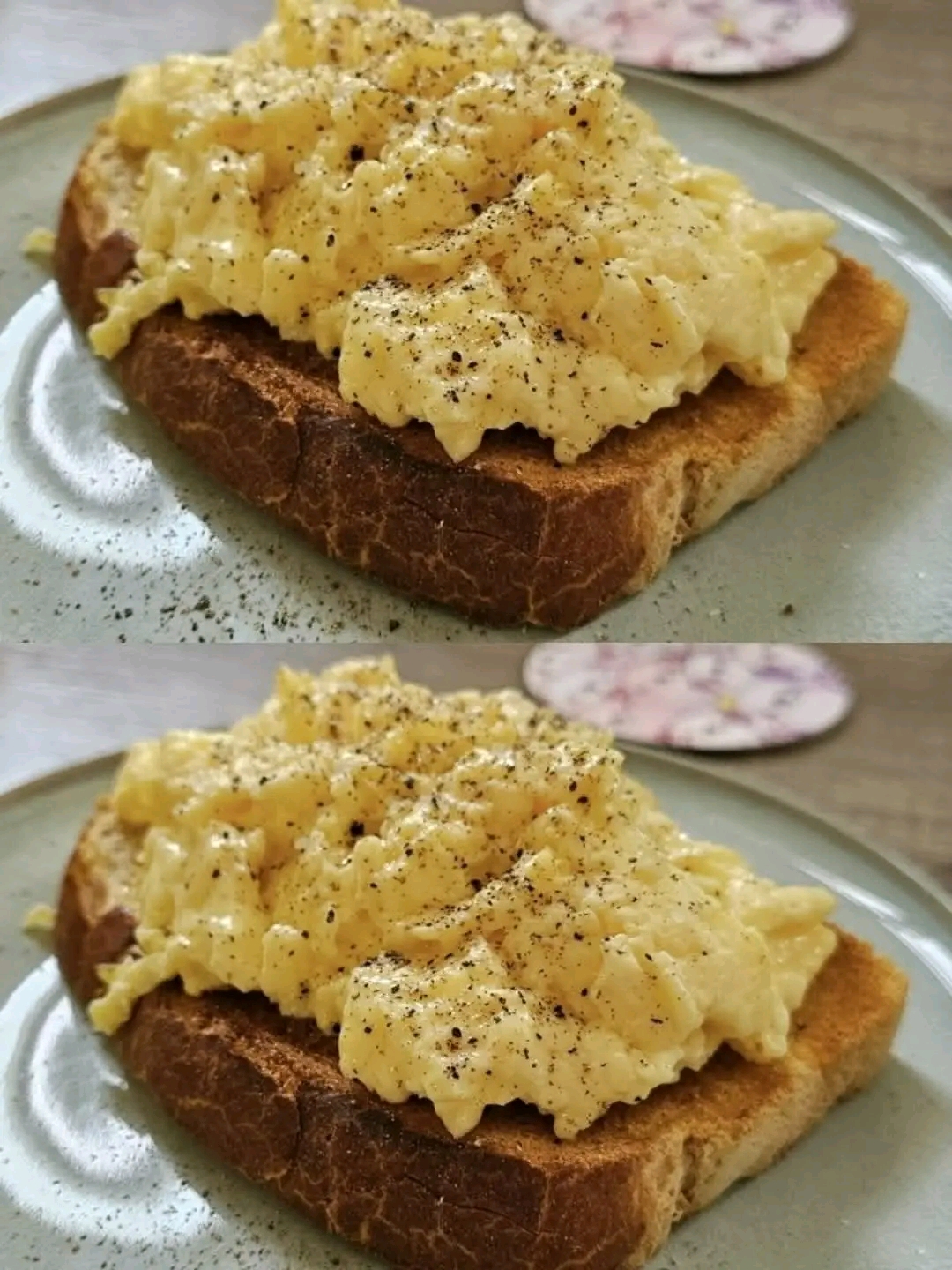
Fluffy, velvety, and impossibly tender—perfect scrambled eggs are a breakfast staple that many attempt, but few master. The secret isn’t fancy tools or rare ingredients. It’s patience, low heat, and the right technique.
Follow this foolproof method, and you’ll never serve rubbery or dry eggs again.
Great scrambled eggs aren’t made in a hurry—they’re coaxed into being.
Why This Method Works
🥚 Low and slow cooking = creamy, custard-like texture
🧈 Butter + gentle stirring = rich flavor and soft curds
⏱️ No rushing = no overcooking
💛 Fresh eggs = brighter color and better structure
| Ingredient | Amount | Notes |
|---|---|---|
| Large eggs | 2-3 per person | Fresh, high-quality eggs |
| Butter | 1 tablespoon per 2 eggs | Unsalted preferred |
| Salt | Pinch | Add at the end (or during—see below) |
| Optional | 1 tablespoon milk, cream, or crème fraîche | For extra creaminess |
Pro tip: Skip the milk if you want the richest, most custard-like eggs. Milk can make them watery.
The Method: Patience Is Everything
Step 1: Crack and Whisk
Crack eggs into a bowl. Whisk vigorously until the yolks and whites are completely combined and the mixture is uniform in color. You want a smooth, streak-free liquid.
The salt debate: Some chefs add salt at this stage; others wait until the end. If you salt early, the eggs may release a little water, but many experts (including J. Kenji López-Alt) argue it actually makes them creamier. Try both and see what you prefer.
Step 2: Heat the Pan
Place a non-stick skillet over medium-low heat. Add the butter and let it melt slowly. It should foam gently but never brown. If it sizzles, your heat is too high.
Step 3: Add the Eggs
Pour the eggs into the pan. Let them sit undisturbed for about 30 seconds until the edges just begin to set.
Step 4: The Gentle Push
Using a heatproof silicone spatula, gently push the cooked eggs from the edges toward the center. Tilt the pan to let the uncooked eggs flow into the empty spaces.
This is the rhythm: Push, tilt, wait. Push, tilt, wait.
Step 5: Low and Slow
Continue this gentle motion for 3-5 minutes. The eggs should cook slowly, forming soft, pillowy curds. If they’re cooking too fast, pull the pan off the heat for a moment.
Step 6: Remove Before Done
Here’s the most important step: remove the eggs from the heat when they still look slightly underdone and glistening. They will continue cooking from residual heat.
Step 7: Finish and Serve
If adding cream or crème fraîche, stir it in now. Add a final pinch of salt. Serve immediately on warm plates.
Pro-Tips for Perfection
1. Use a Good Pan
A non-stick skillet is essential. Stainless steel will cause sticking, no matter how much butter you use.
2. Keep the Heat Low
High heat = rubbery eggs. Medium-low or even low heat is your friend.
3. Use a Silicone Spatula
It’s gentle on the eggs and the pan, and it scrapes every bit of curd perfectly.
4. Don’t Stop Stirring
But don’t stir constantly. The push-and-pause method creates those beautiful, fluffy curds.
5. Season at the Right Time
Some chefs swear by salting at the beginning; others at the end. The difference is subtle. Experiment to find your preference.
6. Add Dairy Sparingly
A splash of cream or crème fraîche at the end adds richness. Too much milk during cooking makes them watery.
7. Serve Immediately
Scrambled eggs wait for no one. Have your toast ready.
Common Mistakes to Avoid
| Mistake | Why It’s Wrong |
|---|---|
| High heat | Creates dry, rubbery eggs |
| Over-stirring | Breaks curds into tiny, dry bits |
| Adding milk before cooking | Makes eggs watery and pale |
| Cooking until fully set | Residual heat will finish cooking; remove early |
| Using a metal spatula | Scratches non-stick pans |
| Letting eggs sit in the pan | They’ll keep cooking and become dry |
Variations
French-Style Scrambled Eggs:
Cook over very low heat, stirring constantly with a whisk for an ultra-creamy, almost sauce-like texture.
Fluffy Scrambled Eggs:
Add a tablespoon of water to the eggs before whisking. The steam helps create fluffier curds.
Loaded Scrambled Eggs:
Fold in cheese, fresh herbs, or sautéed mushrooms at the end.
Gordon Ramsay Style:
Cook over high heat with constant stirring, on and off the heat, adding crème fraîche at the end for a rich, creamy result.
Diner Style:
Cook over medium-high heat with constant stirring for larger, firmer curds.
What to Serve With Them
- Buttered toast – The classic pairing
- Sourdough or artisan bread – Adds texture
- Smoked salmon – Luxurious addition
- Fresh herbs – Chives, parsley, or dill
- Sautéed mushrooms or spinach – Earthy complement
- Crispy bacon or sausage – For a hearty breakfast
- Avocado – Creamy contrast
Your Scrambled Egg Questions, Answered
Can I use a whisk instead of a spatula?
For French-style eggs, yes. For classic scrambled eggs, a silicone spatula gives you more control over curd size.
How do I keep eggs warm if I’m cooking for a crowd?
Serve immediately. If you must hold them, place the pan over a bowl of warm water (not direct heat) for a few minutes.
Can I reheat scrambled eggs?
They’re best fresh. Reheating makes them rubbery. If you must, reheat gently in a non-stick pan with a splash of cream.
What’s the best pan for scrambled eggs?
A good non-stick skillet. It’s the only foolproof option.
How many eggs per person?
2-3 large eggs is standard. For big appetites, plan on 3-4.
Perfect scrambled eggs aren’t about speed. They’re about patience, gentle heat, and knowing exactly when to pull them off the stove. Master this technique, and you’ll have a breakfast skill that serves you for life.
Now go make the best scrambled eggs of your life.